
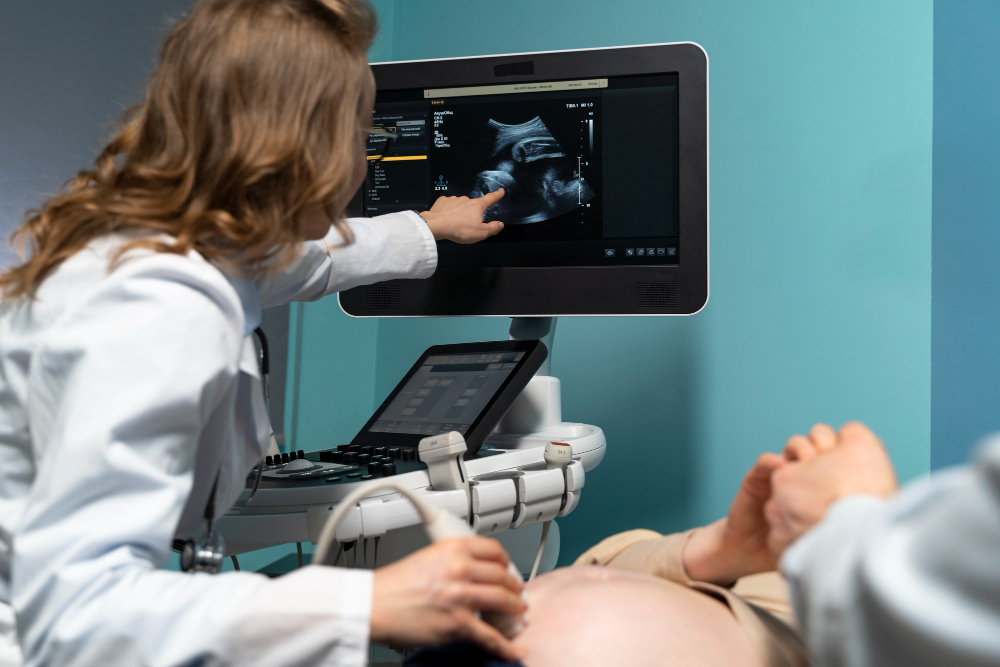
Introduction to Anomaly Scan
If you are pregnant, your doctor may recommend an anomaly scan. This test is also called a mid-pregnancy ultrasound or 20-week scan. It helps check your baby’s growth and health. Many parents feel nervous before this scan. However, knowing what to expect can help you feel more at ease.
What Is an Anomaly Scan?
An anomaly scan is a special ultrasound done during pregnancy. It uses sound waves to create pictures of your baby inside the womb. Doctors use this scan to look for any physical problems in your baby’s body. For example, they check the baby’s head, heart, spine, and other organs. This scan is safe and does not hurt you or your baby.
Why Is an Anomaly Scan Important?
There are many reasons why an anomaly scan is important. First, it helps doctors spot any birth defects early. Second, it checks if your baby is growing well. Third, it can show if there are problems with the placenta or amniotic fluid. Because of these reasons, most doctors recommend this scan for all pregnant women.
When Is an Anomaly Scan Performed?
Usually, doctors do the anomaly scan between 18 and 22 weeks of pregnancy. Most often, it is done around the 20th week. At this time, your baby’s organs are developed enough to be seen clearly. If you are in a city like Mumbai or Delhi, you may hear it called a 20-week scan or fetal anomaly screening.
How Is the Anomaly Scan Procedure Done?
The anomaly scan is simple and painless. Here is what usually happens:
During the scan, you can see your baby on the screen. Sometimes, the doctor may ask you to change positions to get a better view.
What Conditions Can an Anomaly Scan Detect?
An anomaly scan can help find many types of problems, such as:
However, not all problems can be seen on the scan. Some may not show up until later in pregnancy or after birth.
How to Prepare for an Anomaly Scan
Getting ready for an anomaly scan is easy. Here are some tips:
Most clinics will give you instructions before your appointment. If you have questions, ask your healthcare provider.
What to Expect During and After the Scan
During the scan, you may feel a little pressure from the probe, but it should not hurt. The gel may feel cold at first. You can watch the screen as the doctor checks your baby. After the scan, you can wipe off the gel and go home. The doctor will explain the results or may ask you to wait for a report.
Frequently Asked Questions About Anomaly Scan
Safety and Risks of Anomaly Scan
According to the World Health Organization (WHO), ultrasound scans like the anomaly scan are safe. They do not use radiation. There are no known risks to the mother or baby. However, the scan may not find every problem. Sometimes, further tests are needed for a clear diagnosis.
What to Do After Getting Your Results
After your anomaly scan, your doctor will discuss the results with you. If everything looks normal, you will continue with regular check-ups. If the scan finds a possible issue, your doctor may suggest:
Remember, not all findings mean there is a serious problem. Your healthcare team will guide you on the best steps for you and your baby.
Conclusion
In summary, an anomaly scan is an important part of pregnancy care. It helps check your baby’s health and growth. Most scans show normal results, which can give you peace of mind. For any questions or concerns, consult your healthcare provider for personalized advice about anomaly scans.