
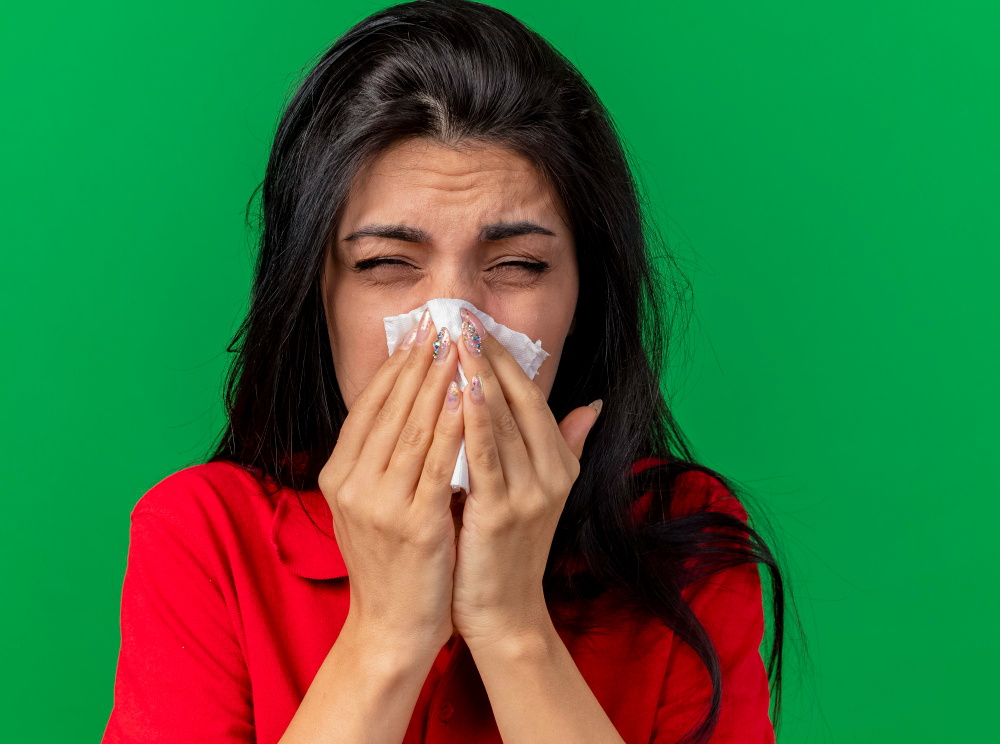
What is Allergic Rhinitis?
Allergic rhinitis is a common condition that affects many people worldwide. It happens when your body reacts to things like pollen, dust, or pet dander. These things are called allergens. When you breathe them in, your nose becomes inflamed. As a result, you may feel uncomfortable and have trouble with daily activities. According to the World Health Organization, allergic rhinitis affects up to 30% of adults and 40% of children. In addition, it can occur in both urban and rural areas.
Common Symptoms
Many people wonder about allergic rhinitis symptoms. While symptoms can vary, most people experience the following:
Sometimes, these symptoms can be mild. However, they may also be severe and affect your daily life.
Main Causes and Triggers
Allergic rhinitis is caused by your immune system reacting to harmless things. These triggers are called allergens. For example, you may react to:
In addition, air pollution and cigarette smoke can make symptoms worse. People living in cities may notice more problems during high pollution days.
How Allergic Rhinitis is Diagnosed
If you think you have allergic rhinitis, your doctor can help. First, they will ask about your symptoms and medical history. Next, they may look inside your nose. Sometimes, your doctor will suggest allergy tests. For example, a skin prick test or a blood test can show what you are allergic to. These tests are safe and quick. However, not everyone needs them. Your doctor will decide what is best for you.
Treatment Options
Many people ask how to treat allergic rhinitis. There are several ways to manage symptoms. Your doctor may suggest:
In addition, simple lifestyle changes can help. For example, keeping windows closed during high pollen seasons or using air filters at home can reduce symptoms. Always talk to your doctor before starting any new medicine.
Prevention Tips and Lifestyle Guidance
Preventing allergic rhinitis is possible with a few steps. Try these tips to lower your risk:
For example, if you live in a city, check daily air quality reports. On days with high pollution or pollen, stay indoors as much as possible.
When to See a Doctor
Sometimes, allergic rhinitis can be managed at home. However, you should see a doctor if:
In addition, children with ongoing symptoms should be checked by a doctor. Early treatment can prevent other problems, such as sinus infections or asthma.
In summary, allergic rhinitis is common but can be managed. With the right steps, you can feel better and enjoy daily life. Consult a general physician for personalized advice on managing allergic rhinitis.