
What is a Laparoscopic Appendectomy?
Laparoscopic appendectomy is a type of surgery that removes the appendix using small cuts and a camera. Doctors often choose this minimally invasive surgery to treat appendicitis, which is swelling or infection of the appendix. Because it uses small tools, this method usually means less pain and a quicker recovery. Many hospitals now offer laparoscopic appendectomy in their surgical departments.
Symptoms of Appendicitis
Appendicitis can happen to anyone. However, it is most common in children and young adults. Early signs are important to spot. If you notice these symptoms, you should seek medical help:
Because these symptoms can get worse quickly, early treatment is important.
How Laparoscopic Appendectomy is Performed
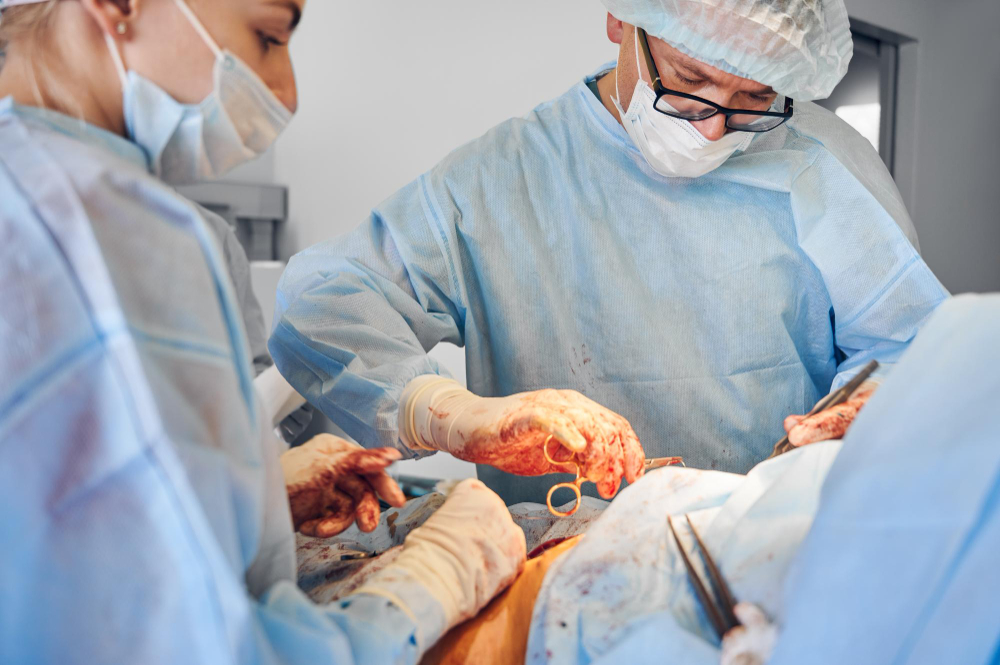
During a laparoscopic appendectomy, the surgeon makes three or four small cuts in your belly. Through these cuts, the doctor inserts a thin tube with a camera, called a laparoscope. This camera helps the surgeon see inside your body. Next, small tools are used to remove the appendix. After the appendix is taken out, the cuts are closed with stitches or surgical glue. Most patients are asleep during the surgery because doctors use general anesthesia. Usually, the whole procedure takes about one hour.
Benefits of Laparoscopic Surgery
Laparoscopic surgery offers many advantages over open surgery. Some of the main benefits include:
Because of these benefits, many doctors recommend laparoscopic appendectomy for appendix removal when possible.
Risks and Possible Complications
Like any surgery, laparoscopic appendectomy has some risks. However, most people recover without problems. Possible risks include:
Although these risks are rare, it is important to talk with your doctor about them. If you notice redness, swelling, or fever after surgery, you should contact your healthcare provider right away.
Recovery and Aftercare Tips
After a laparoscopic appendectomy, most people go home within one or two days. Recovery after laparoscopic appendectomy is usually quick. To help your body heal, follow these tips:
If you have a fever, severe pain, or signs of infection, call your doctor right away. Most people feel better within two to three weeks.
Prevention and When to Seek Medical Help
There is no sure way to prevent appendicitis. However, eating a healthy diet with plenty of fiber may help. If you or your child have sudden belly pain, especially with fever or vomiting, seek medical help quickly. Early treatment can prevent serious problems. If you need appendix removal, ask your doctor about laparoscopic appendectomy and whether it is right for you.
For more information or personalized advice on laparoscopic appendectomy, consult a healthcare specialist.